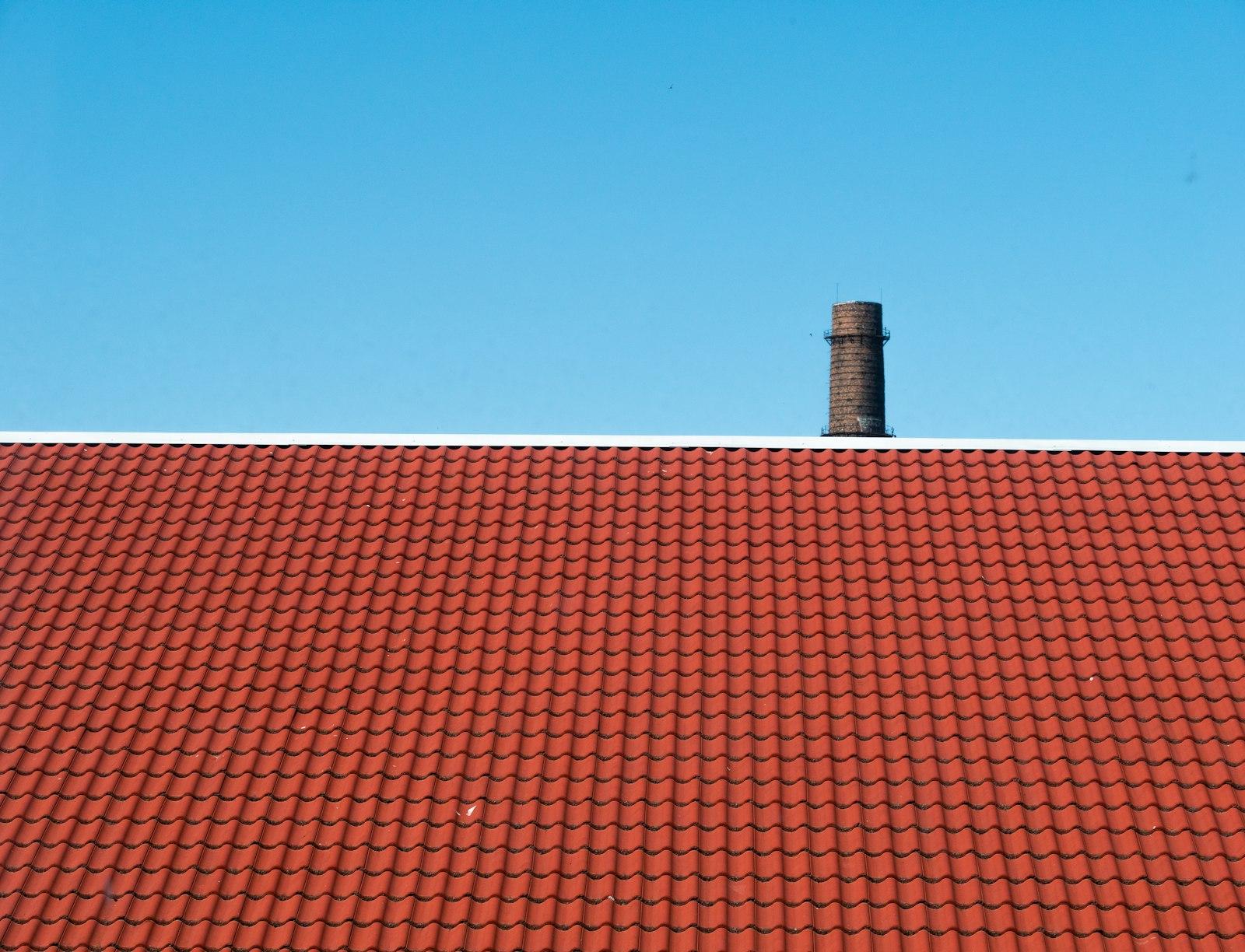
Drive through almost any South Florida neighborhood and you'll see it: roofs with dark streaks running down from the peak, or a gray-green film across the tiles. It's one of the most common reasons HOAs send exterior maintenance letters, and one of the easiest to fix.
What those black streaks are
Those streaks usually aren't dirt. They're mostly algae, often a type called Gloeocapsa magma, along with mildew and sometimes moss or lichen. South Florida's heat, humidity, and heavy rainy season give them ideal growing conditions year-round.
Shaded sides of the roof, areas under tree cover, and spots where water collects tend to get the worst of it.
Why it's worth cleaning
Curb appeal and property values. Roofs are one of the first things people notice about a home and a street. Clean roofs keep the whole community looking cared for, which matters to buyers.
Heat. Dark growth on a light roof can absorb more sunlight, which can add to cooling load in a climate where AC already works hard.
Roof life. Moss and lichen hold moisture against the roof surface. Over time, that moisture can contribute to wear on shingles and tiles. Regular cleaning keeps small problems from becoming bigger ones.
Community standards. Most HOA documents require homeowners to keep roofs clean. Staying ahead of it means no letters at all.
How often to clean
There's no single right answer, but many South Florida homes need roof cleaning every one to three years. A few things push it toward the shorter end:
- Heavy tree cover or a lot of shade
- North-facing roof sections that stay damp longer
- Light-colored tile or shingles, where staining shows more
- Homes near lakes, canals, or the coast
A good rule: if you can see streaks from the street, it's time.
Soft washing vs. pressure washing
This is the part that matters most. Roofs should generally be soft washed, not blasted with high pressure.
Soft washing uses low pressure along with a cleaning solution that kills the algae and mildew at the root. The roof is rinsed gently, and the growth washes away over the following days and rains.
High-pressure washing can strip granules from asphalt shingles, crack or dislodge tiles, and force water where it shouldn't go. It can also remove the visible growth without killing it, so it comes back faster. Many roofing manufacturers recommend against pressure washing for these reasons, so check your roof's warranty before any cleaning.
What to ask a roof cleaning company
- Do you soft wash roofs? What solution do you use?
- How do you protect landscaping, pools, and pets?
- Are you licensed and insured, and can you show proof?
- Do you have experience with my roof type (tile, shingle, metal, flat)?
- How long should results last, and do you offer any guarantee?
Every company on Trusted Home Vendors is vetted for license and insurance before residents can book, and you'll see community rates up front.
The bottom line
In South Florida, roof growth is a when, not an if. Clean every one to three years, use soft washing, and hire someone insured who knows your roof type. Your roof will last longer, your home will look better, and you won't be on the receiving end of a cleaning letter.